
Landlords: 60-day CGT reporting and the finance cost restriction
When a property sale must be reported within 60 days, how mortgage interest relief works, joint ownership, and the incorporation question…
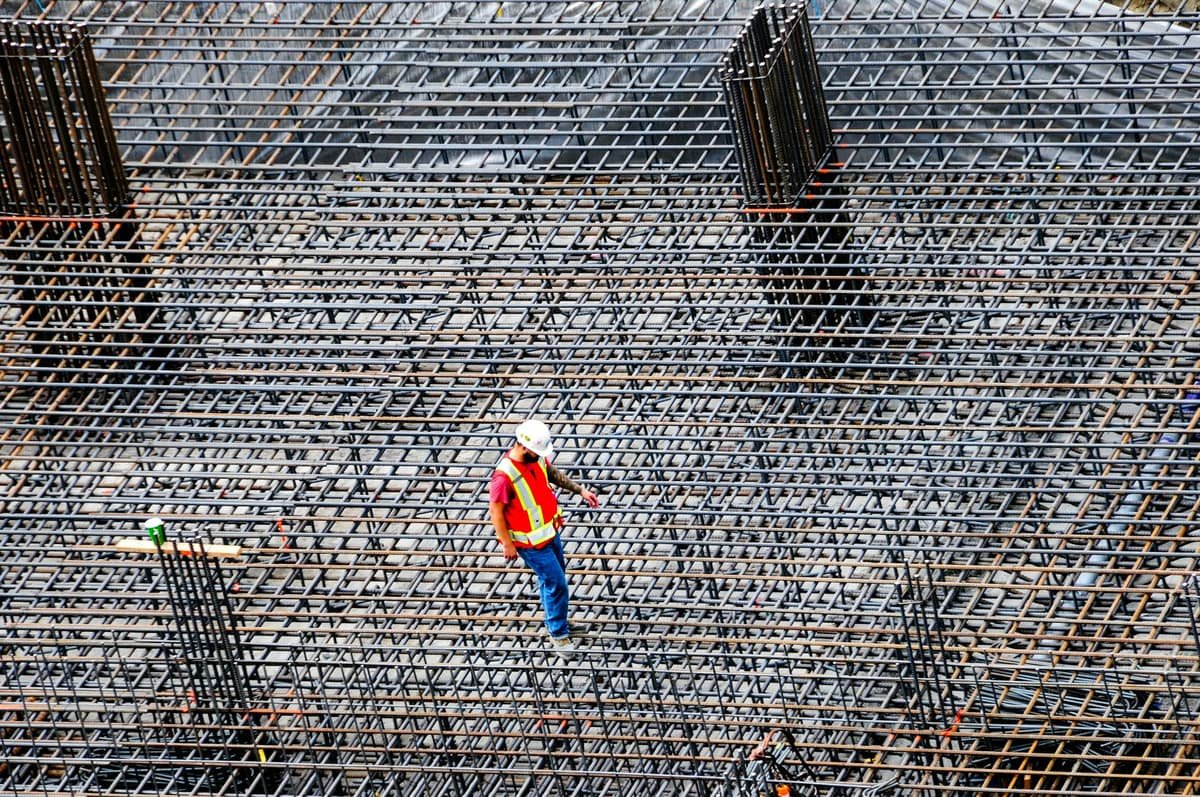
How CIS verification, deduction statements and gross payment status work alongside the domestic reverse charge, and the errors we see most.
Construction businesses run two systems that other trades never meet: the Construction Industry Scheme, which deducts tax from payments to subcontractors, and the VAT domestic reverse charge, which applies to the same work. Each has its own logic. The errors come where they overlap. This note covers both sides of the contract chain.
If you pay subcontractors for construction operations, you are a contractor under CIS and must register as one. Businesses outside construction that spend heavily on construction work can be deemed contractors as well.
Verification. Before the first payment to a subcontractor, you verify them with HMRC, online or through your payroll software. HMRC tells you the deduction rate: gross, meaning no deduction; the standard rate of 20% for a registered subcontractor; or the higher rate of 30% for one HMRC cannot match. A subcontractor you have not paid in the current or the two previous tax years must be verified again.
Deductions. The deduction is calculated on the payment less the direct cost of materials the subcontractor bought for the job, and excluding VAT. Labour, and expenses such as travel, are within the deduction. Materials the subcontractor genuinely purchased are not, and you are entitled to ask for evidence of what they cost.
The monthly return. The CIS300 covers the tax month to the 5th and is due by the 19th. It lists every subcontractor paid, the amounts and the deductions. A month with no payments still needs a nil return, unless you have told HMRC you will be inactive for a period. Late returns attract fixed penalties that escalate, and a run of them is one of the quickest ways to lose gross payment status.
Deduction statements. Every subcontractor from whom you have deducted tax must receive a payment and deduction statement for the month, by the 19th. Without it, they cannot evidence the tax you deducted. The deductions themselves are paid to HMRC with your PAYE. We run all of this as part of CIS for contractors.
If you are the subcontractor, deductions suffered are not lost. A sole trader recovers them through the Self Assessment return. A company sets them against its PAYE, NIC and CIS liabilities month by month on the Employer Payment Summary, and reclaims any excess after the year end. Both depend on the statements. HMRC will not credit a deduction it cannot match to a contractor’s return.
Gross payment status removes the deduction altogether, which for a growing subcontractor is the largest cash-flow improvement available. There are three tests: a business test, a turnover test based on net construction turnover, and a compliance test that looks at whether your returns and payments, now including VAT, have been on time. HMRC reviews the compliance test each year and withdraws status for repeated failures. Apply when the record is clean. Applications and deduction recovery sit under CIS for subcontractors.
Since March 2021, most standard-rated and reduced-rated supplies of construction services between VAT-registered businesses, where the customer is registered for CIS, have been subject to the domestic reverse charge. The supplier does not charge VAT. The customer accounts for the VAT on its own return as output tax and, if entitled, reclaims it on the same return as input tax.
The reverse charge does not apply where the customer is an end user, meaning a business that will not sell the construction services on, or an intermediary supplier connected to one. The end user has to tell the supplier in writing. A developer selling completed units is generally not an end user. A retailer having its shop fitted is. Supplies of staff by an employment business are outside the reverse charge even though they are within CIS.
The invoice must state that the reverse charge applies, and show either the VAT rate or the amount the customer must account for. If any part of a supply is within the reverse charge, the whole supply is, unless the reverse charge element is 5% or less of the total, in which case you may treat the whole invoice normally. The boxes on the VAT return move too: the supplier reports the net sale but no output tax, and the customer reports the VAT in both directions. Getting this right on both sides of the chain is what our construction domestic reverse charge work is for.
Before the reverse charge, a subcontractor invoiced VAT, held the cash for up to four months and paid it over with the return. That working capital has gone. Many subcontractors now reclaim more VAT than they pay and become repayment traders. If that is you, consider monthly returns so the repayment arrives sooner.
The flat rate scheme is generally unsuitable once most of your sales are reverse charge supplies. Reverse charge sales are left out of flat rate turnover, but under the scheme you also cannot reclaim input VAT on your costs, so you can end up paying a percentage of very little and recovering nothing. Cash accounting cannot be used for reverse charge supplies either. We compare the schemes on your own figures under VAT scheme selection.
Each of these is cheap to prevent and expensive to unwind, particularly where HMRC refuses a subcontractor’s claim for deductions with no statements behind it.
If you are not certain your contracts are being treated correctly on either side, we offer a 30-minute call at no charge. Bring a recent sales invoice and a recent subcontractor invoice, and we will tell you what we see.
Verify every subcontractor before the first payment, deduct on labour only, and file the monthly return and issue statements by the 19th. Where the reverse charge applies, do not charge VAT and say so on the invoice. Subcontractors lose the VAT cash they used to hold, so plan for that, and look again at the flat rate scheme.
Related services
Sector
When a property sale must be reported within 60 days, how mortgage interest relief works, joint ownership, and the incorporation question…
Why most care fees are VAT exempt and what that does to input tax, how the levy allowance works across a group, and where statutory pay…
Professional clearance, the handover, the review of your last two years' filings, timing around year end and VAT quarters, and what it…
A conversation with a chartered accountant about where you are and what you need. No fee, no obligation, and you will not be sold to.
Pick a time that suits you
The scheduler opens here on the page. Choose a slot and the calendar invitation arrives straight away.
Calendly sets its own cookies once loaded. Or open it in a new tab.